AN EXECUTIVE FUNCTIONING FRAMEWORK FROM KINDERGARTEN TO ADULTHOOD
The Framework
Treehouses are why we climb. The ladder is how we get there. The tree is where everything happens.
Everyone has one, and it grows
The ladder is our executive functioning system. We each get one, we carry it everywhere, and it grows as we grow.
Everyone already knows how climbing works. Young kids and adults alike know you go up one step at a time, and that you can't skip to the top.
You can see what's there and what isn't. A strong rung, a wobbly rung and a missing rung are easy to picture and easy to point to.
It names the skill, not the student. "Your memory rung is a little wobbly" is a problem you can work on together. "You never remember" is not.
It grows. Ladders get taller as skills are built, which keeps the focus on what's next instead of what's wrong.
How rungs work
Every rung is one executive functioning skill. Five rungs in a section is full height. Attention is built in order, from the bottom up; the other sections can be built in any order.
The Ladder Rules
We all must use ladders to get from where we are to where we want to go.
We each get only one ladder, and we carry it with us wherever we go.
We must build our own rungs. Others can teach us and practice with us, but only the skills and supports we use confidently on our own become a permanent part of our ladder.
Some rungs are sturdier than others. If too much is put on a wobbly rung, it may fail.
Ladders grow. With practice, we add rungs and can reach new heights.
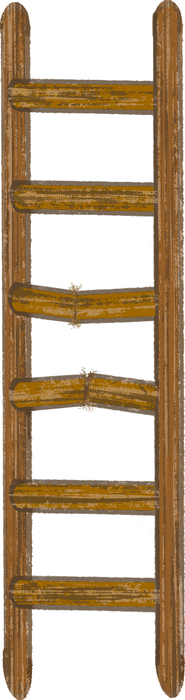
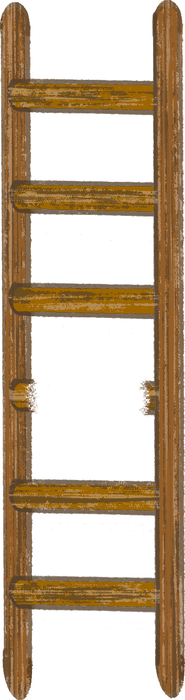
Wobbly and Missing Rungs
Wobbly rungs work sometimes, with a prompt or in the right setting, but can fall through if too much weight is put on them. Missing rungs are skills that haven't been built yet.
On a short climb, a student can sometimes step over one missing rung. The more rungs a climb needs, the harder those gaps are to get past. That's when supports help.

Attention
Memory
Time Management
Organization
The Ladder
Every ladder needs somewhere to go
Treehouses are things we’re climbing toward: the tasks, expectations, and goals that fill a student’s day. The ladder is how we get there. The treehouse is why we climb.
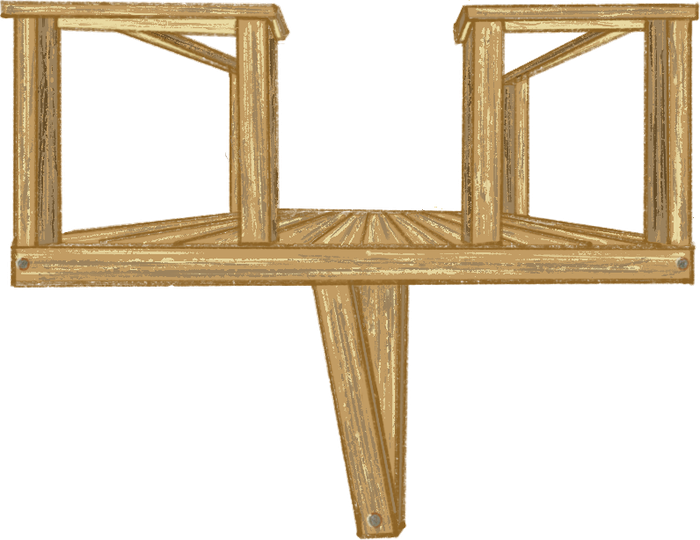
Low
Simple, everyday tasks.
A few rungs and a little effort can get you there, and everyone can hang out here.
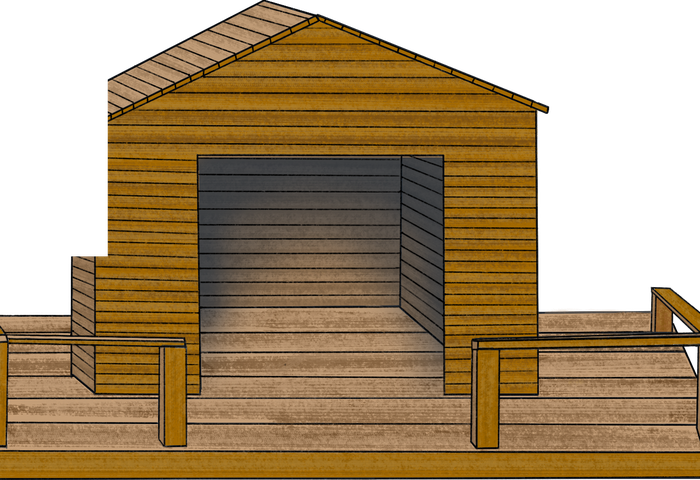
Medium
Takes some real climbing.
More rungs working together, and a bit of planning to get there.
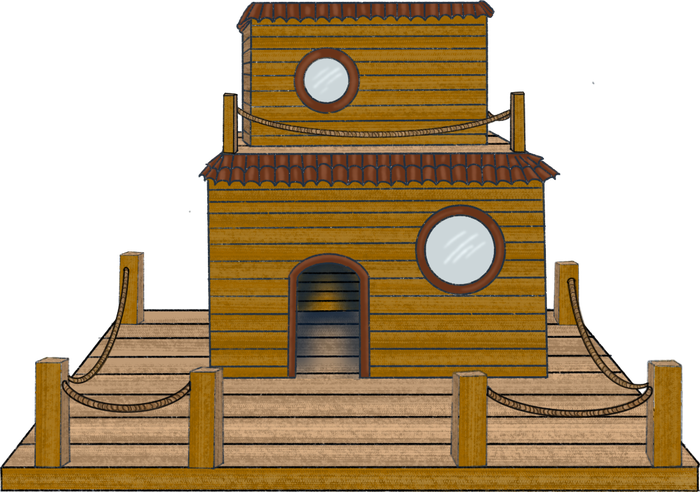
High
The coolest and the hardest to reach.
Lots of rungs and steady effort, built up over time
The Treehouse Rules
Easier tasks are lower treehouses. They need fewer rungs.
Harder, more elaborate tasks are higher treehouses. They need more rungs.
The older we get, the more we expect of our treehouses.
Treehouses don't get lower just because a student can't reach them. Students can't lower treehouses, but teachers can make some a little lower by simplifying the task.
No one can carry you up to the treehouse. No one can do it for you.
The Ladder
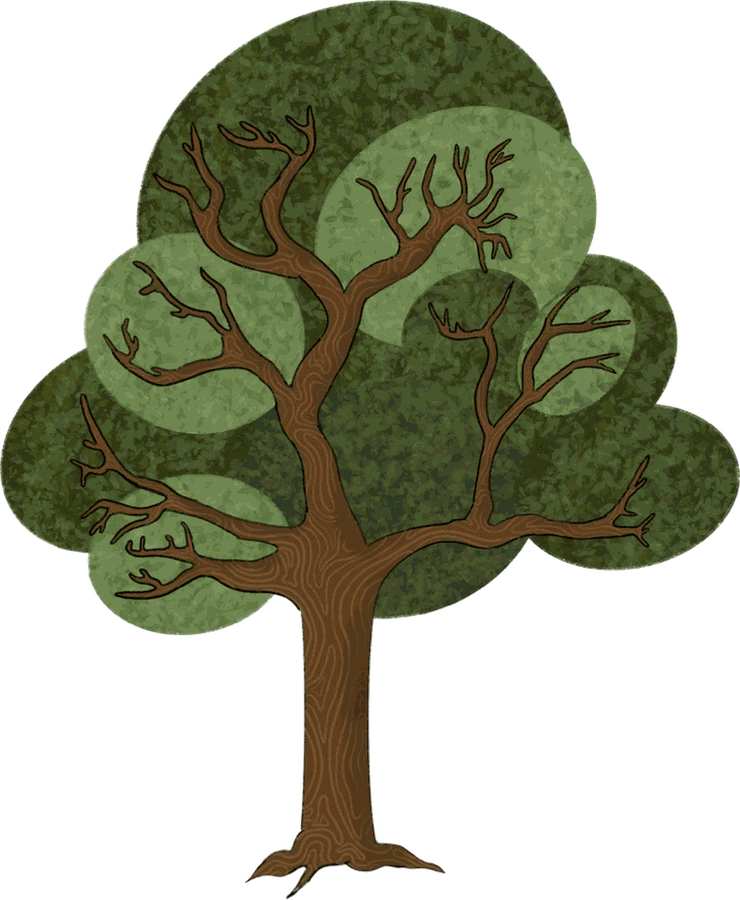
The trunk: the environment
The setting the student climbs in: space and layout, materials, visuals, noise, movement, and the people and expectations in the room. A steady, predictable trunk lets students spend their rungs on the climb.
Where every climb happens
Every treehouse sits in a tree. For students, the tree is the school (later, the workplace or home). The ladder belongs to the student; the tree belongs to the setting, so it's the part adults can change today.
Same ladder, different tree. A student can climb easily in one room and struggle in the next. Often it's the tree that changed, not the ladder.
Change the tree, help every climber. A strong tree gives every student something to lean on, grab or step on when a rung is missing or wobbly.
The branches: supports for everyone
Routines, schedules, turn-in systems, clear directions, modeling, chunking, check-ins and built‑in tech. Strong branches close gaps for many students at once, and they stay with the tree.
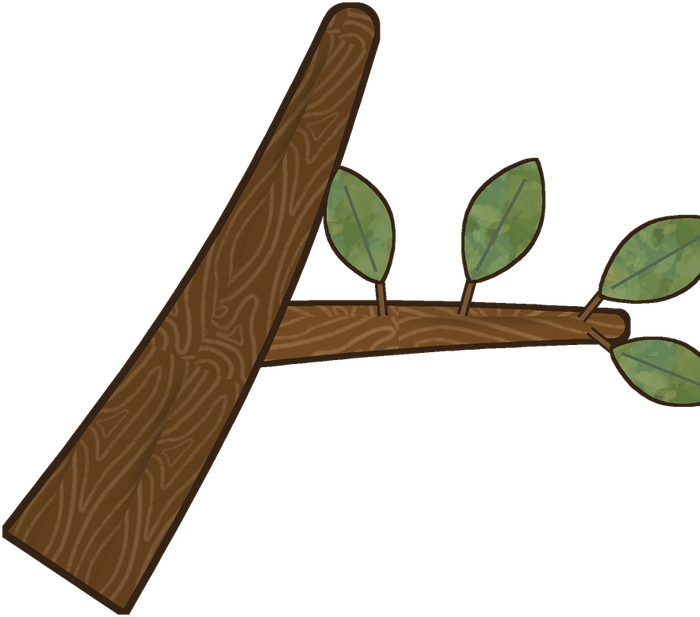
The shoots: individual supports
Strategies, accommodations and AT. A shoot grows out of a branch right where one student needs it. Once used independently, a shoot is tied to the ladder and goes with the student.
Start with the tree
Check hte trunk and branches before adding a shoot. If several students need the same shoot, it may be a missing branch. Growing it helps everyone and saves shoots for the students who truly need them.
The Ladder
Kindergarten to Adulthood
The ladder changes as students grow
Students stay on the regular ladder until they’re ready for the extension. Readiness, not a date.
Grades 7-Adult
The EF profile
The ladder tips on its side: one bar per section. The student and a trusted adult each mark the skills that are solid, supports fill the gaps, and treehouses become goals.
Grades K-5
The ladder
The setting the student climbs in: space and layout, materials, visuals, noise, movement, and the people and expectations in the room. A steady, predictable trunk lets students spend their rungs on the climb.
Around Grades 5-6
The extension ladder
Adds Switching (handling change, flexible thinking) and Regulation (managing feelings and energy) above Organization.
Bring Ladders & Treehouses to your team
Cassie’s executive functioning trainings feature Ladders & Treehouses